The Secret to a Peaceful Relationship is Realizing You’re on the Same Side
Podcast: Download
Subscribe: Apple Podcasts | RSS
PHIL: One of our realizations has been that we are always on the same side. This is a big factor in how we have a peaceful relationship.
It’s easy for us to say that and expect people to go, “Oh, that makes sense; from now on, we’ll be on the same side,” so I want to describe in as much detail as possible what makes for the feeling that you are on the same side.
Firstly, you have to believe that peaceful relationships are possible. Don’t fall for the argument that they are only peaceful because problems are being avoided. This is a common viewpoint in society*. Then you have to want to be in a peaceful relationship, and for that to happen, you both need to understand that you are on the same side.
How to do this? The first step is to recognize the moment of separation, the feel of struggle, and not let that happen. There are two parts to this: the first is to recognize that it is happening; that requires awareness of your reaction. Only with awareness do you have the opportunity to choose how you respond. I’m not saying suppress your reaction; I’m saying react differently.
Language can help with this. Speak in the first person, say what is happening with you. This is very powerful; it avoids blame, accusations, counter-attacks, and it also exposes you, makes you visible, opens you up. Another language trick is to speak in the present tense. This avoids blame and expectations, and focuses on feelings – what is happening in your body right now.
Your view of how people relate is important. Our culture is permeated with ideas of struggle and competition, and it is easy to adopt this attitude when differences arise. But the counterpoint is cooperation, which is how you work together when you are both on the same side.
Another view that changes how you relate is to think about your differences and similarities. We are both similar and different to each other at the same time; by looking at the similarities rather than the differences, we see things in a completely different light, and that is where you can go, “Oh, we’re on the same side!”
To move into an attitude of always feeling that you’re on the same side will be a jump, a break in habits, and that, of course, will take practice. We promise you the change will be worth it!
MAUDE: The information we offer is for those who wish to follow a path of peace in their relationships. This is not for those who have only a passive desire to relate differently. It requires an active reaching for this form of togetherness; a choosing to put the force of your person into moving out of any old habitual behavior into a conscious form of relating. When this is present in you, the full power of connection is activated, and this mighty force pervades your relationships.
In creating and maintaining such relationships, the connection itself is of paramount value. It is not treated lightly or superseded by differences you encounter along the way. There may be disagreements, but rarely what we term fighting or arguing. Rather, you will naturally look for mutual solutions, ones that work for both of you, that can only be created together. Phil and I have found that when there are matching or complementary core values, such a mutual solution can always be found when sought. You are, after all, on the same side.
Connections of this kind have noticeable characteristics. The magnet of this kind of peace is quite strong. The awareness of being on the same side permeates all interactions. This brings with it a calm and relaxed way of being together, with an absence of the need to defend yourself. It is flavored by friendliness, well-wishing, kindness, gentleness, and an expansive interest in listening to and learning about the other person. Both parties strive to speak from the “I” form, without blame or making it about the other person.
In parent-child relationships and romantic partnerships, the feeling of being safe in the relationship can lead to taking it for granted. That can bring forth behaviors which do not express respect and being on the same side.
When you treat your intimate relationships with an awareness of their sacred nature, along with how you behave, there are things that you do not do, such as: using a raised or strident tone of voice, withdrawing or separating, insisting on being right, making only your way the right way, dismissing the other person’s feelings or thoughts, blaming, personalizing differences and making it about you.
In peaceful relationships, the power of the connection is ever-present, and you do not distance yourself or step away because some difference occurs. The illusion of this kind of separation does not enter the secure boundaries of such a relationship.
* I see a subtle political element to this: connection is power, so by emphasizing competition and struggle, the strength of the populus is reduced.
Photo credit: Maude Mayes
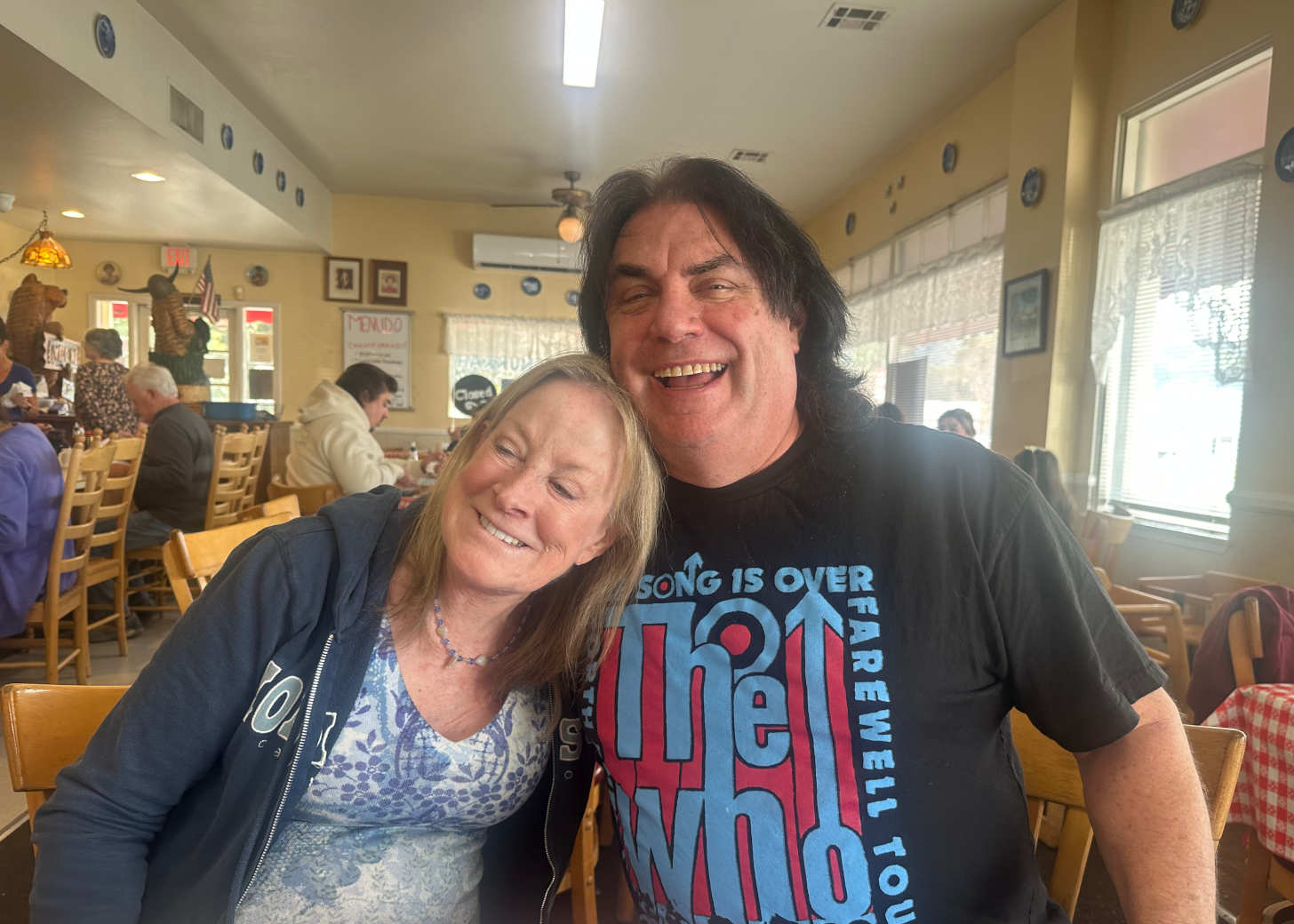
Photo note: Yes, they’re definitely on the same side
Read what else we have written on this topic.
Get our free weekly newsletter about how to have a harmonious relationship.