Successful Relationships Reading Corner
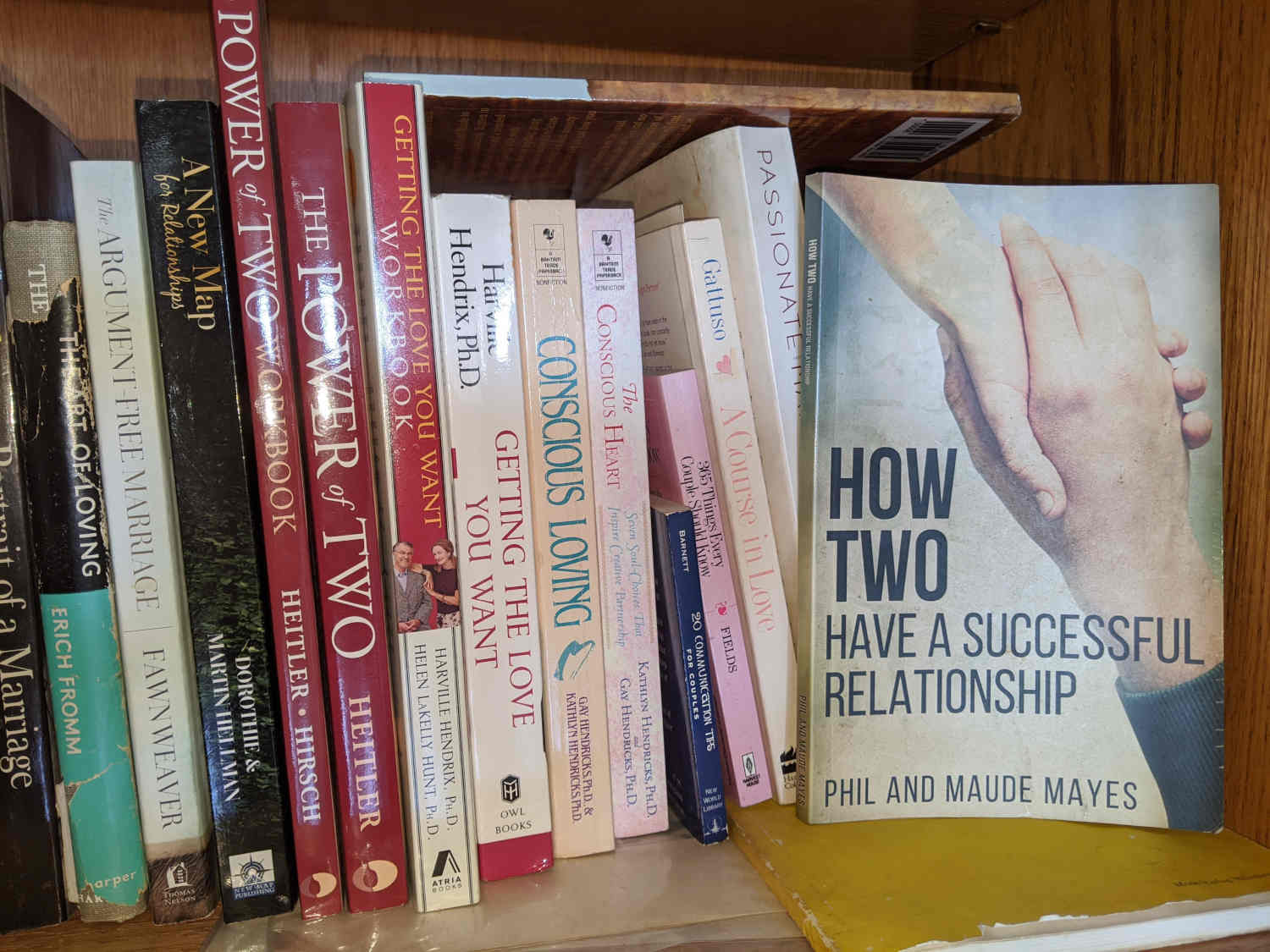
This week, we wrote about how to apply your intention toward peace in all your relationships. Here are some other posts that talk about the role of intention in your relationships.
How Conscious Intention Can Lead to Peace in Your Relationships “When you are on guard or defensive, reacting from triggers often implanted long ago, you are already bringing barriers into the exchange. In your partnerships and friendships, you hopefully share core values, and although each other’s actions and words may seem quite different, they reflect the unique quality of each rather than true clashes. So how can a conscious intention help when you are feeling angry, frustrated or alienated in a relationship? It reflects a choice that you have made about what your motivation will be in your responses and viewpoint. If these feelings are not reflective of your choice, you can remind yourself of your true intention. This is a way of aligning yourself with your choice. The more you become conscious of your intention, the more powerful it will become. Every time you can step out of a response that doesn’t reflect your choice, you gain a bit of distance, and are a step closer to living that choice. In a most basic way, the decision is whether to come from love or fear. Fear rears its head in many manifestations, and when it is the underlying driver of your responses it will always lead to feelings of distrust, separation and often violence.”
Why it is Important to Set an Intention for Peace in Your Relationships “Just as this project of intention works on a global scale, many of us have a number of practices that bring the intention for peace into our daily lives: some meditate regularly, some write intentions in journals, and some do affirmations of gratitude each morning. These help us to manifest our intention. Great quotes with which to start each day in a calm peaceful frame are:
This is a wonderful day. I’ve never seen this one before. – Maya Angelou
It’s morning, and again I am that lucky person who is in it. – Mary Oliver
This need for a peace intention on a global scale, as well as for our individual selves, holds the same importance in our relationships. Whether you are developing a new relationship or wanting to improve a long standing one, an intention for peaceful loving interactions is the place to start. And yet, people so often don’t see this as realistic, and fall into different habitual patterns of behavior. The good news is it’s never too late. With the awareness that there are better possibilities, you can start anytime to apply an intention of peace in your relationships. It starts with accepting that the other person is who they are. What they do and say is their choice. You shouldn’t interfere in that. (You’ve probably learned that you can’t change people, anyway.) You don’t have to like it, either. This is where the work begins. Does that dislike come from within you, or is it really something unacceptable about the other person? That’s certainly possible, though unlikely because most people are doing the best they can.”
How To Create A Peaceful Relationship In A World That Says It’s Impossible ” Peace is a choice, as are peaceful relationships. It came to me this morning that, in the same sense, peace is a verb. Being at peace and bringing it into your relationships takes action. It starts with intention and belief. It is necessary to want to be peaceful, to intend to have peaceful relationships, and to create and maintain them. It can be a challenge to imbue your relationships with the belief that they can be peaceful and loving. Society encourages the opposite viewpoint, pushing a belief that conflict is inevitable. Phil and I have the experience that it is possible, with intention, to find other ways of being. When core values are shared, there is a path to mutual solutions for differences and disagreements that does not involve conflict, separation, or distancing. All my deep and intimate relationships are built on this belief and intention. I am active in finding paths to peace when relating. This also means working on my own inner peace. Regardless of the practice, whether it be through meditation, mindfulness, walking in nature, or becoming aware of the love that surrounds me, I am actively engaged in growing toward inner peace. From this direct experience and its quest, I approach my relationships. What are the actions I can take to manifest this way of being together? Foremost are the actions of truly being with the other person. These involve awareness of the person, interest in them, and offering myself and my presence. It means paying attention, looking upon them with openness and loving kindness, without fear or defensiveness.”