Are You Emotionally Present in Your Relationships or Just Not There?
Podcast: Download
Subscribe: Apple Podcasts | RSS
MAUDE: Last night, as we were talking about what we want to write a post about, a way of being present came up, and here we are with the post that grew out of that conversation. After an evening jamming session, we each sit down the next day and write separately about what we got out of the discussion that we think is worthwhile to share.
For me, it was the part about being present with, and for, the other person; of being in the present with them and the connection itself. There are many factors that go into being together with someone in this way. When I am with someone who brings this kind of awareness and attention to the interaction, it has a profound effect on me.
I want to share myself with them, and I open up more as a result of the interest and caring being shown to me. This is one of those feedback loops in which this way of behaving generates a more open, unguarded communication from each of the parties involved. When someone is interested and taking the time to pay attention to me, and at the same time shares themselves with me on a deeper level, it creates the same response in me.
There is a sense of safety and peace that develops, in which each time you come together (and this can happen at a distance on a Zoom call, or a phone call, as well as in person), you go quite naturally into this kind of communication and way of being with each other. The content may be about simple things and daily events, but there is an underlying depth to the connection that is more about who each of you is and what is of meaning and value to you. There is a sweetness and easy flow to the exchanges that is quite different than relationships that do not have this quality of presence and desire to share your very self openly with the other.
I notice very quickly when this is absent in an exchange. It can be that this type of trust is still building with a person, and that they move more slowly toward this kind of shared openness. It can be that the other person is just not living in the present much, and is mentally always moving toward something that is not where they are, but something in their mind.
When that occurs, these relationships tend to stay on the surface level of communication and interaction. They revolve more around intellectual conversations (which can be very interesting, too), information exchanges, taking care of some specific business or another. They do not engender a feeling of closeness, and they don’t create the kind of trust and ease that I find in relationships that do have presence and a reality of shared attention to each other; the kind that can only be created by taking the time and offering presence. I always try to meet the person wherever they are.
PHIL: I asked the question of what makes our relationship so alive, and Maude said it is because we are both present. Yes! We’ve obviously talked about being present a number of times before, but not in this context.
There are three aspects to this: being present to myself, being present with Maude, and being present in the world. Being present in the world, whether it is enjoying the same food, seeing the same scenic view, or looking at unwashed dishes, offers a shared reality; we know what the other is experiencing. But along with the experience, we also add our own history and expectations; as much as 90% of our perception is internally generated. Being present with myself gives me a chance to catch some of those internal reactions and reduce their bias.
But it’s being present with the other person that makes the relationship alive. One part of this is presenting myself (interesting verb, huh?) to the other person. (I’m talking about the other person when I’m primarily referring to Maude to emphasize that this is a way to try to be with everyone.) We have looked at this before. It starts with openness and honesty, and that is how trust develops.
The other part of being present with the other person is that when I pay attention to Maude, it changes how I am. It gives me an understanding of how she is and what she is feeling; it triggers empathy and increases the sense of connection. It’s not a conscious, intentional change so much as an instinctive bodily reaction. I think all humans do this; we interact in ways of which we are barely conscious.
So that’s how being present contributes to our relationships, but I think there’s more to it than that. It is that as humans, we need each other, we support each other, and it is beneficial because the result is greater than the sum of our individual contributions. Being present is a way to get in touch with that and to let it happen.
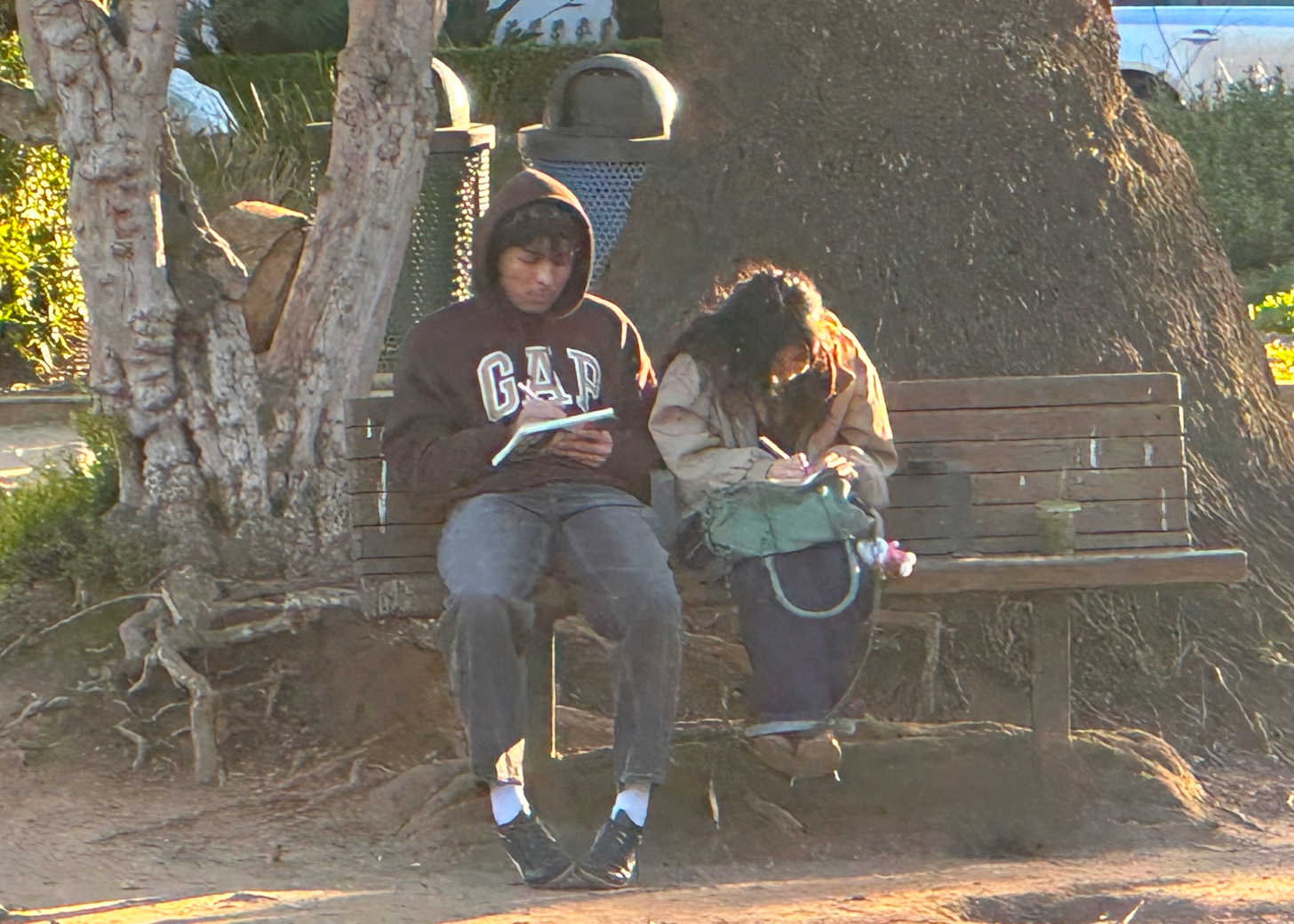
Photo credit: Maude Mayes
Read what else we have written on this topic.
Get our free weekly newsletter about how to have a harmonious relationship.