Successful Relationships Reading Corner
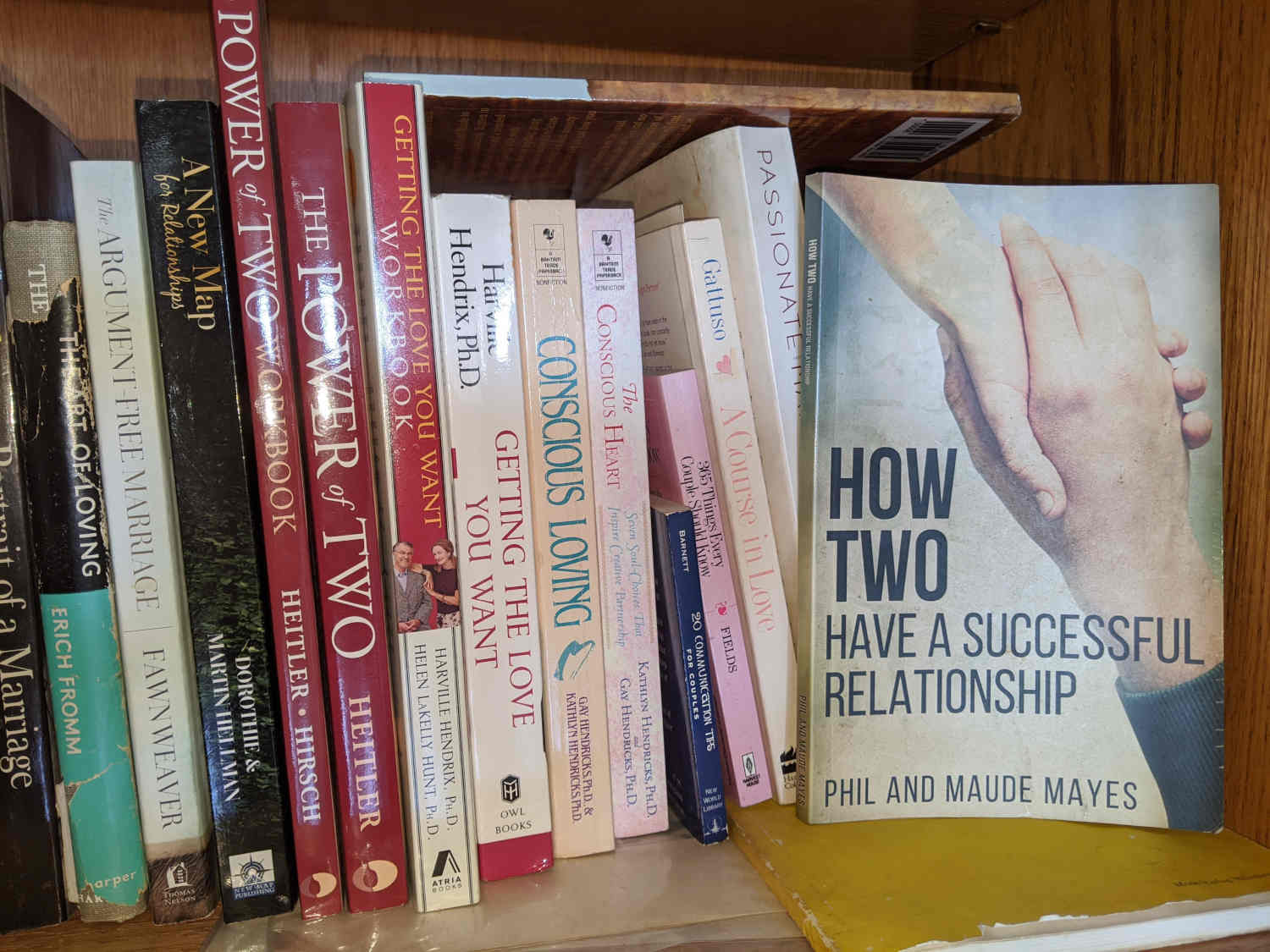
This week, we wrote about how to stop playing the blame game and actually feel peaceful. Here are some previous posts on different aspects of how to deal with blame in your relationships.
How to Avoid Reacting With Blame and Anger in Your Relationships “Go within and look at your response. Look at the blame and the feelings attached to it. What are they telling you? Are they about you or the other person? This creates a special kind of honesty with yourself and consequently enables you to communicate about your thoughts and feelings more honestly; you can’t communicate what you don’t realize. This can be an act of self-discovery that leads you to a more peaceful way of relating in your close relationships. We recommend practicing with those you are close with before moving out further to less connected relationships. As you get better at the practice, stretch out a little more with that same view toward learning about what your responses to others are about. If you don’t do this, you are likely to be reactive, a victim of your own unexplored emotions. This often leads to anger, recriminations and blame. The result is to be preoccupied with the other person, and the uncomfortable feelings that you think they are responsible for.”
How to Replace Blame With Honesty in Your Relationships “What I have learned is that, when I have strong responses to interactions in our relationship, it is important for me to look inside myself. It is an opportunity for me to understand myself better and to find out what is happening within me. It gives me a chance to process my feelings and see what is moving me. It also makes it very clear that whatever I am feeling and thinking, it is about me and not about Phil. This stops me from focusing on him, his words or actions. This is true for any deep relationship. So often, when people have strong responses, they speak without this action of looking within. The results are fraught with the path to blame, anger, recrimination, and disappointment. The charge of the feelings gets shot at the other person, instead of providing fertile ground for self-inquiry and realization.”
The Secret to a Peaceful Relationship is Realizing You’re on the Same Side “It’s easy for us to say that and expect people to go, “Oh, that makes sense; from now on, we’ll be on the same side,” so I want to describe in as much detail as possible what makes for the feeling that you are on the same side. Firstly, you have to believe that peaceful relationships are possible. Don’t fall for the argument that they are only peaceful because problems are being avoided. This is a common viewpoint in society*. Then you have to want to be in a peaceful relationship, and for that to happen, you both need to understand that you are on the same side. How to do this? The first step is to recognize the moment of separation, the feel of struggle, and not let that happen. There are two parts to this: the first is to recognize that it is happening; that requires awareness of your reaction. Only with awareness do you have the opportunity to choose how you respond. I’m not saying suppress your reaction; I’m saying react differently. Language can help with this. Speak in the first person, say what is happening with you. This is very powerful; it avoids blame, accusations, counter-attacks, and it also exposes you, makes you visible, opens you up. Another language trick is to speak in the present tense. This avoids blame and expectations, and focuses on feelings – what is happening in your body right now.”