Successful Relationships Reading Corner
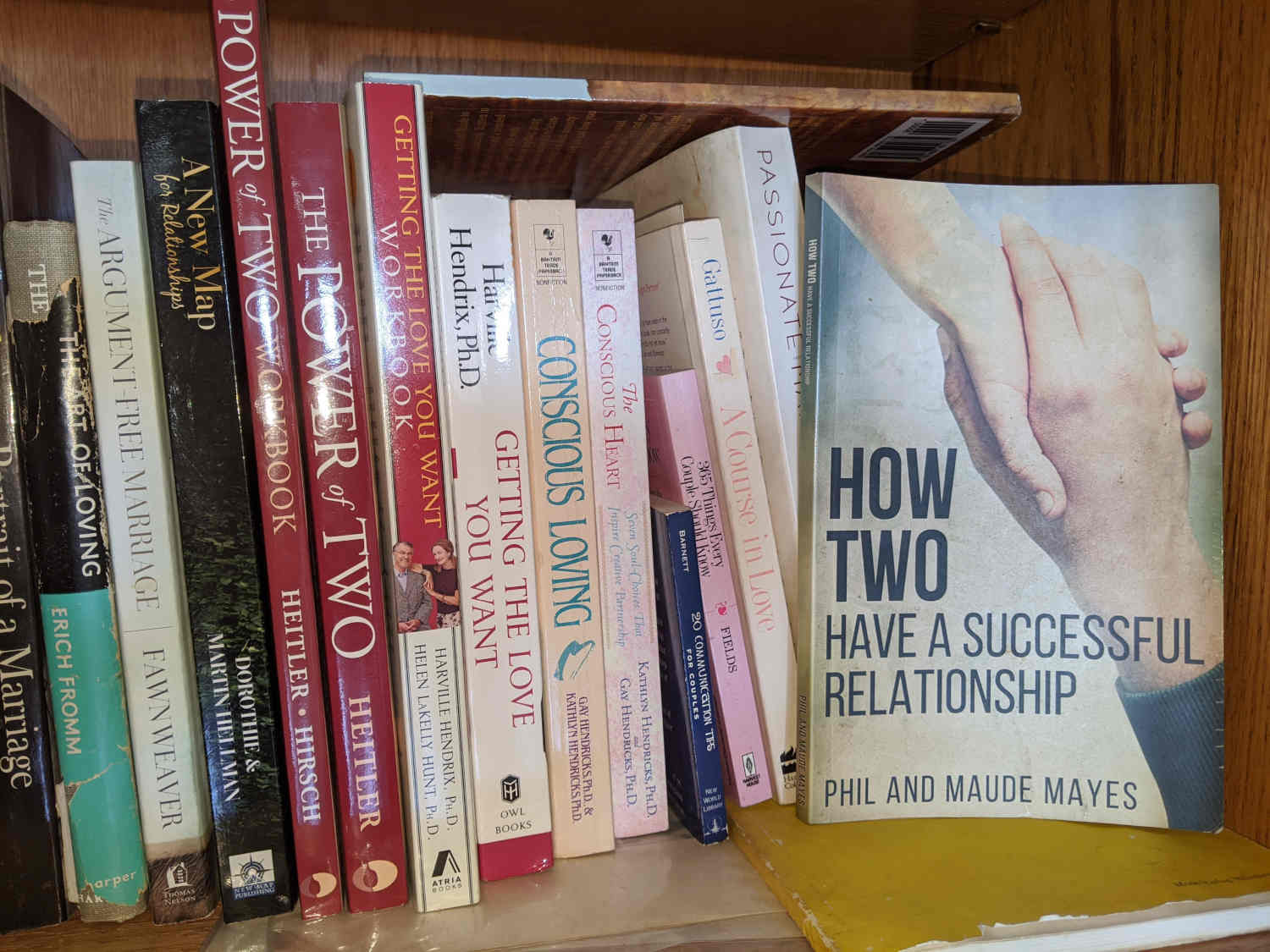
This week, we wrote about how free will and choice enhance your relationships. Here are three more articles on how important intention is in your relationships.
How to Make Positive Choices in Your Relationships “MAUDE: I think what you’re saying matches what we’ve been talking about recently. When something happens that feels wrong, we turn inward and examine what’s going on inside us. It’s a way of owning our own feelings, rather than putting them outward onto someone or something else. Like, it’s that person or it’s this thing that’s causing me to feel what I’m feeling. PHIL: I’ve got an observation on it that didn’t come to me as I was describing it. With the recognition of how I was feeling, I also had a choice of what to do, whether to let that continue, or to stop, look for a different angle, whatever, change it in some way. If I’m not comfortable, I make a change to make me more comfortable, whatever that is, and it’s the choice; it’s the intentionality part of that which I’m emphasizing here. MAUDE: Yes. I think that you only gain the ability to do that when you turn toward yourself and go inward. That’s when you gain the ability to do what you just described – make a choice.”
How to Apply Your Intention Toward Peace in All Your Relationships “To move toward such an intent, begin wherever you are in understanding what it might look like in practice. First, look inside at your images of that kind of peace. What do you see? We all associate this with different ideas and actual experiences. Some see it as an absence of elements: discord, division, unease, anger, being triggered, misunderstanding, separation, distance. Some of us see it as the presence of a deep sense of calm, balance, naturalness, contentedness, presence, trust, safety, ease.
Whatever comes up for you, reach into it, picture it, become familiar with how it feels to you; taste it, smell it, bring it to life within yourself. When you select this as your intent, you make a choice. This is what you want; this is the place where you want your relationships to dwell. That choice becomes a core value, residing centrally within you. Such an intention toward peace is powerful and grows ever stronger as you feed it. You feed it with that choice, and turn to it whenever there is a disturbance in the force. When you are confronted with interactions that don’t fit with that sense of peace, or that trigger reactions within you that disturb it, Pause, with a capital P. You are seeking to respond to the choice you have made, not react to old stuff or fears. You are going to bring your intention into action by responding from that place of peace that you have chosen. This does not apply to situations that are an actual threat or require a different kind of response. In either case, you want to take enough time to assess and make a choice of how to respond, not be driven by instincts or old stories. It is best to practice this within your deep and developed relationships first.”
How To Avoid Relationship Conflicts With One Little Word ” I was in a Zoom women’s group and was sharing about a technique that was discussed in a class I attended. This technique was designed to be used in situations where you are feeling responses like irritation, impatience, or anger in your relationships. The simple, yet very effective technique, is to ask yourself in such a situation, “What is important here?” This helps you to calm down and to think about where you want to put your emphasis in responding to a situation you are finding challenging. When I recounted this story, I unconsciously added a word to it. I said. “Stop, and ask yourself what is important here.” One of the women shared that hearing me say stop gave her something she could understand working with when things were getting heated in a relationship. If you stop, what are you stopping? You are stepping away from being reactive in the situation. When you stop, the very first thing you will often find is that you can breathe. In these situations, people often start holding their breath without realizing it. Stopping pulls you into the present and gives you a moment to step back from being drawn into conflict, if that’s where your mind or the other person’s behavior is going. Most people have a variety of responses at the same time to any given situation, especially those that are challenging. Stopping enables you to make a choice of which of your responses represents the value which you want to give your energy to. It is not always possible to do this in the moment, but when you stop before reacting or responding, you get that moment to see what is going on, to breathe, and to bring your thoughts and feelings into the present.”